Writing
Notes on spatial intelligence, spatial computing, and building experiences at the scale of cities.
New here? Start with the plain-English FAQ →
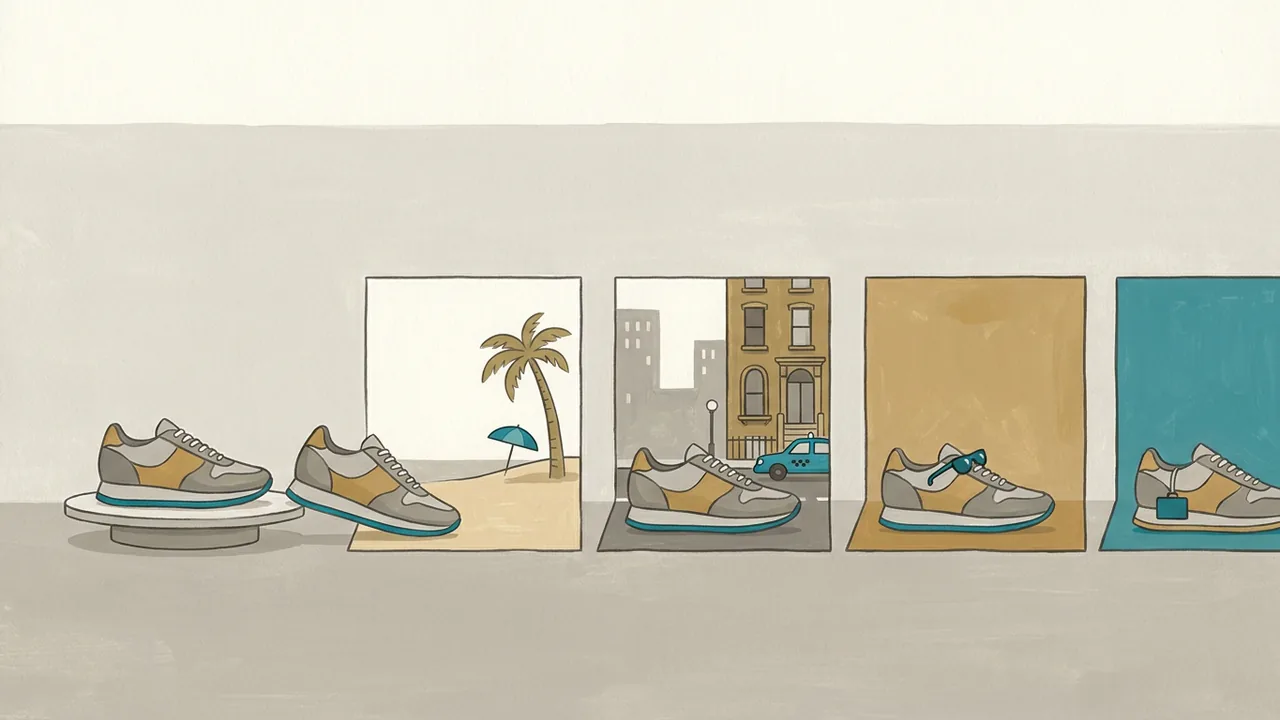
My research note from a paper accepted at SaudiCIS 2026: capture a product once as a 3D asset, then let AI render every scene around it. Why it is an operations capability, not a graphics tool.
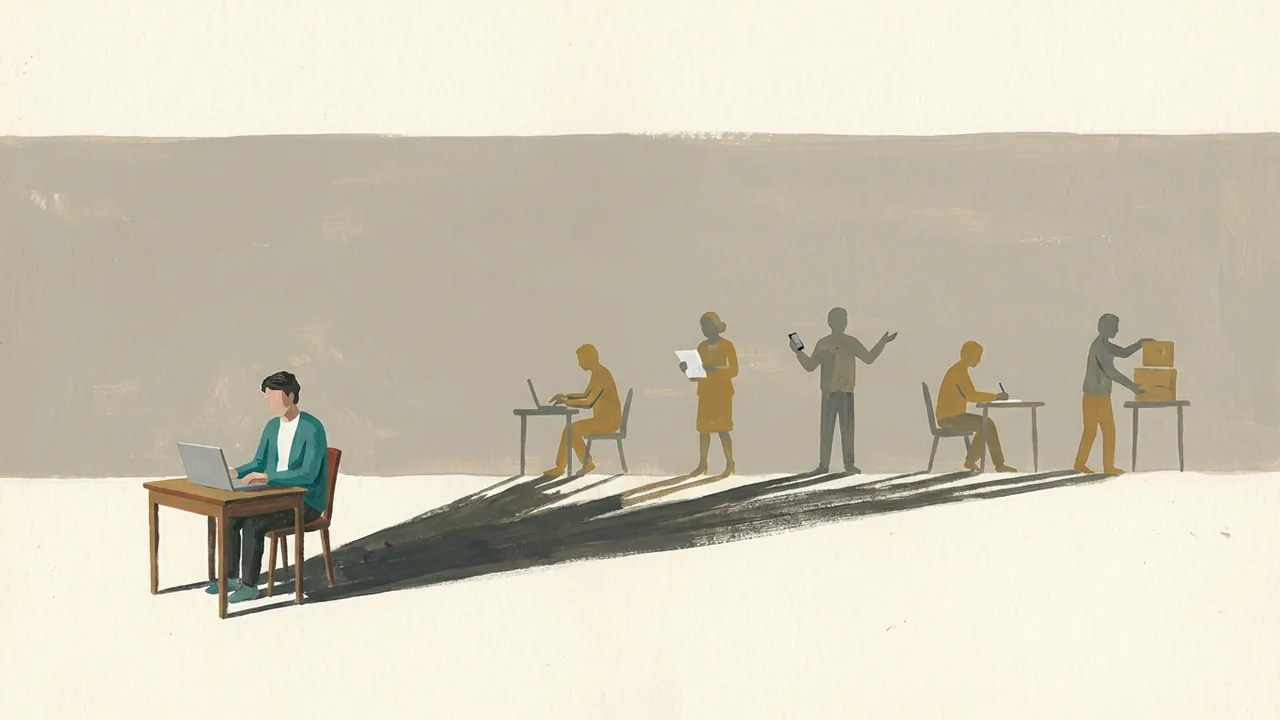
My essay for Founders magazine: how AI agents reshape business and technological sovereignty, and why one person plus AI can now do the work of a whole team.

When studio-quality video costs almost nothing to make, the constraint stops being budget and becomes imagination. What that means for creators, agencies, and brands.

Most AI tools gamble on a prompt and hope. Guided AI — real material, human control, predictable results — is what actually ships professional work.

Generative AI is leaving the flat screen — 3D objects and 360° worlds conjured from a sentence, characters you can talk to. What it unlocks, and its real limits.

The most powerful pattern in spatial computing isn’t AI instead of experts — it’s space + data + expert. Why the human stays the decision-maker.

Screens flattened the world into rectangles. Spatial intelligence puts information back into space — and changes how we design products, cities, and brands.

A simple three-layer model for spatial intelligence — and a fast way to tell a defensible product from a clever overlay with no understanding underneath.

Spatial computing flips the smartphone posture from head-down to head-up. Here’s how that small shift rewrites context, attention, and design.

In a headset, the platform can know where your eyes go. Why gaze is biometric data, what observational capitalism becomes in 3D, and how to set the ethics early — with one story that stays with me.
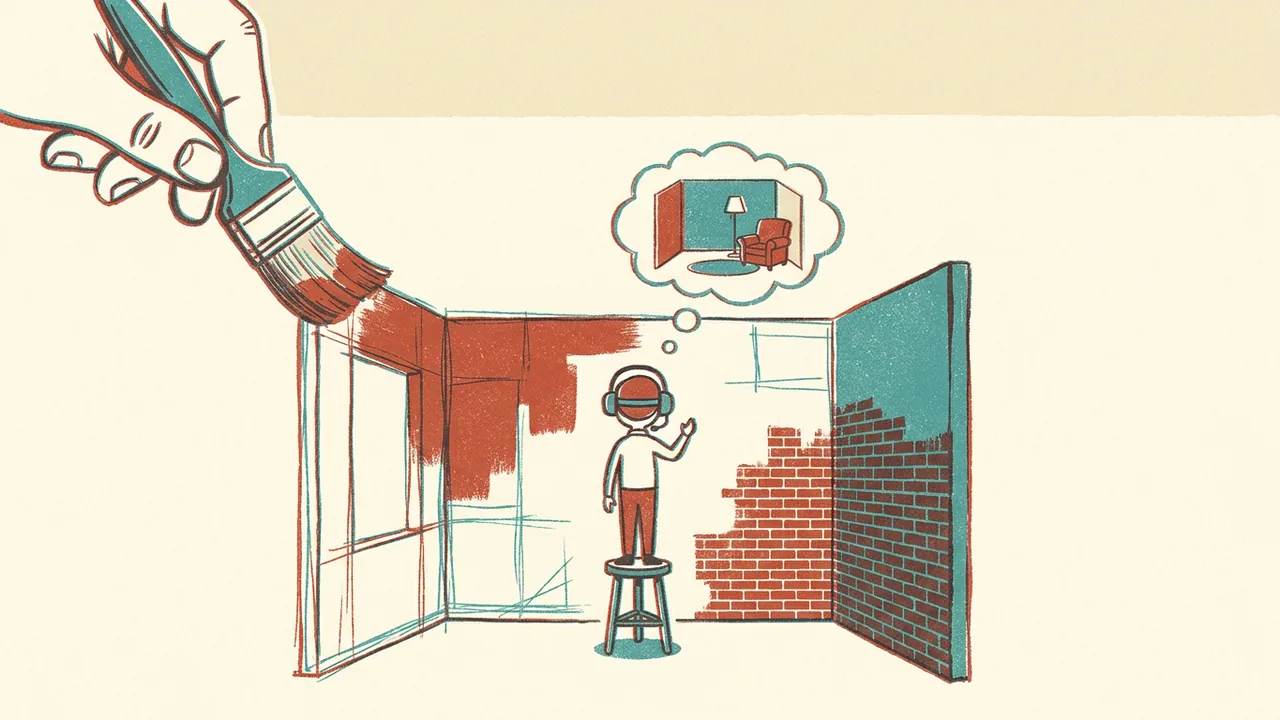
Most spaces are judged after they’re built. VR lets us test emotional response before a single wall goes up — and turn human behaviour into design decisions.
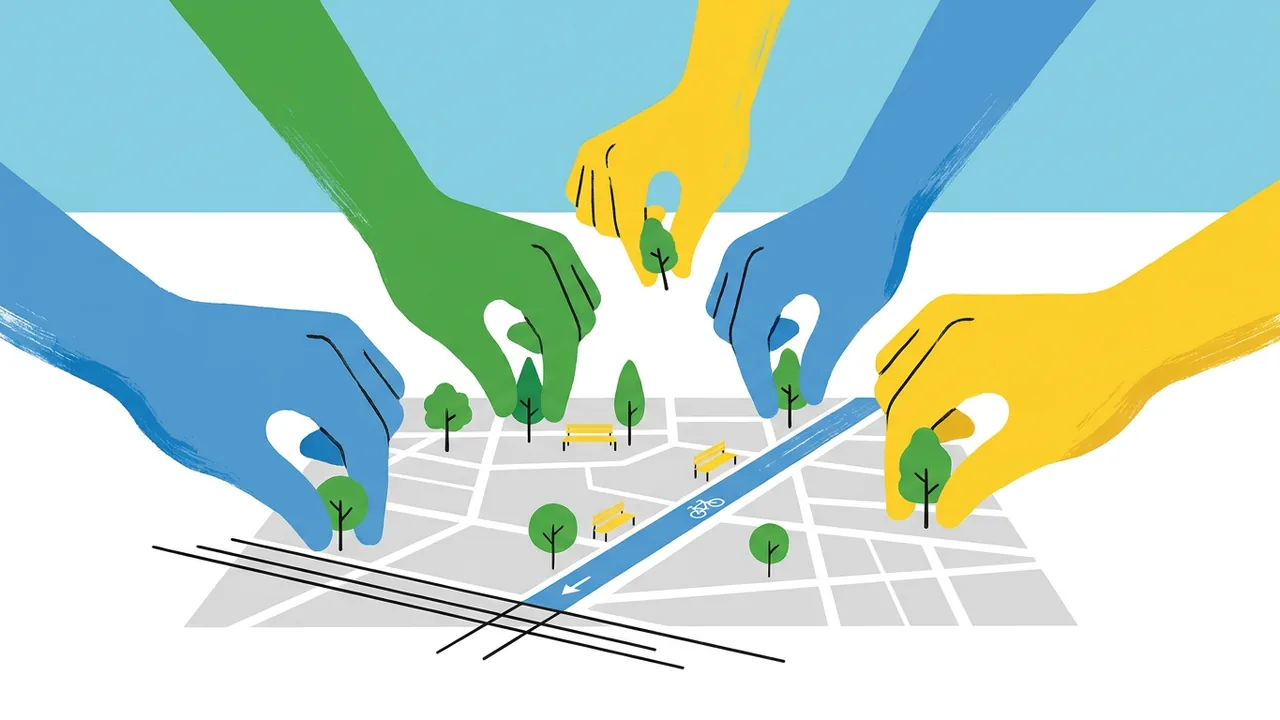
What if residents could place trees, benches, and bike lanes in augmented reality — and planners could read those decisions as data? A look at participatory urbanism.

Why a US-registered startup moves to Dubai: a government strategy stated in concrete steps, a city-scale digital twin, “subscription citizenship”, and how credibility really works there.

What immersive branded worlds really are, what works for brands, and an honest reality-check from the inside. The cases, the interoperability that matters, and the myths to ignore. Adapted from a talk.

AR removes the “imagine it” step — people see a product in their own world before they buy. Four principles that separate real value from gimmicks.
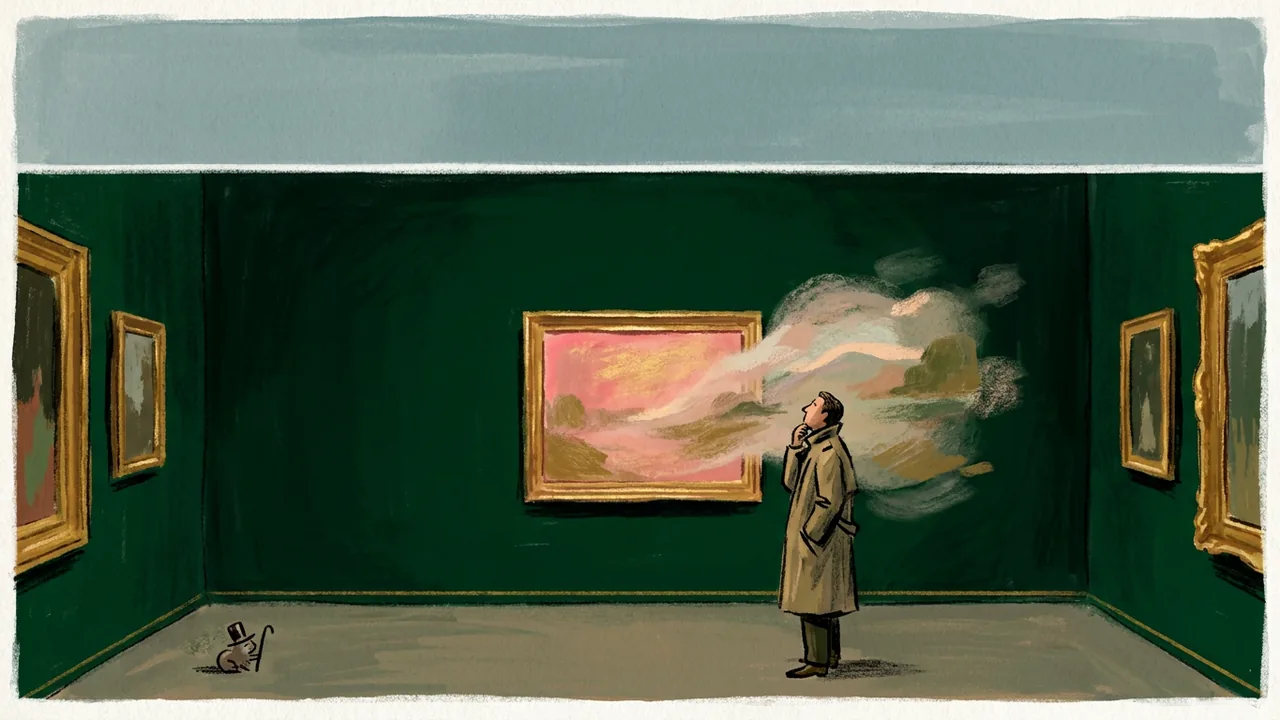
Immersive tech in a museum should deepen attention on the object, not compete with it. Principles for AR and VR that serve the story.
Working on something spatial?
If you’re building a digital or immersive product and want a senior outside read, book a 1:1 call.
Book a call →