One photo in. A whole product page out.
A Gulf commerce platform runs storefronts and logistics for thousands of merchants — most of whom arrive with one bad photo of their product. Magic is wired into the platform through the API, so a seller uploads that photo and gets back packshots, lifestyle imagery and social video, for under a dollar a card.

The problem
By the platform's own estimate, more than half the businesses trying to sell on it have no usable product photography — a phone snap on a shop counter, a ring on a wooden table. The fix is a photoshoot, and in these markets a proper shoot runs into thousands of dirhams. For a merchant with a few dozen SKUs and thin margins, that is not a line item, it is a reason not to launch. For the platform it is not a creative problem — it is a supply problem sitting directly on activation and GMV.
One source photo, a full content set
A seller photographs a ring on the table in front of them. That single image is enough.
What the seller uploads — one phone photo

Marketing imagery — generated
From a hanger to a model
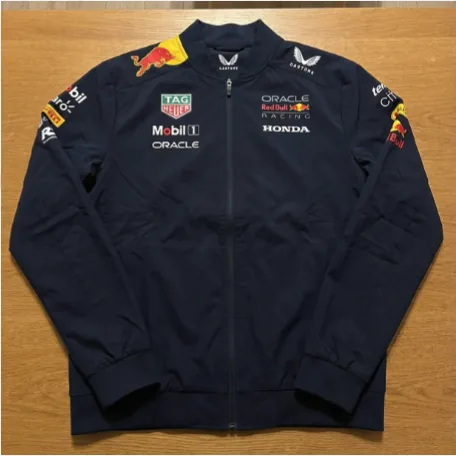
Some of the templates cover apparel: the merchant photographs the garment as it hangs in the shop, and the template returns model shots.
Uploaded — on a hanger
Generated — worn

Location templates, built for the region
Alongside the product templates, the platform commissioned location VFX for the markets it operates in — sets that put a merchant's content into a real place, at a scale that merchant could never afford to shoot. A shop with a dozen products gets city-landmark campaign footage, from a listing photo.
How it's wired in
This isn't a tool merchants go and use somewhere else. The Magic API sits inside the platform's own listing flow, with about ten templates for the categories that matter here and custom location sets for its regions. The merchant never sees Magic — they see their own storefront, and their photos getting better. Remove the cost and the wait, and the listing that used to stall at "I don't have photos" goes live the same day.
Running a marketplace with a content problem?
If your sellers are the bottleneck on catalogue quality, the same architecture applies: our API inside your flow, templates built for your categories, and a cost per card low enough that you can give it away to win the listing.
Talk to MagicClient not named — the deployment is in testing and rollout. Figures are the platform's own estimates. All imagery produced on Magic from merchant-supplied source photos.